
The Economics of a Coffee Shop, and Why the US Still has Room for More
Gonzalo Vivanco | June, 2026
I’ve spent years inside the coffee business. Part of that is love for the product. Part of it is history, the long story of how coffee crossed the Atlantic and took root across the Americas. But mostly it’s because I’ve watched the business change up close, from a simple cup at the counter to what people now call a coffee experience.
Today, I represent three of the top five players in coffee development, plus the largest Colombian coffee brand in the United States. They’re exclusive clients. That seat gives me a clear read on what’s actually happening in this market, especially for brands that want in.
So let me talk about the numbers, because that’s where people get this business wrong.
Americans drink more coffee than ever
Let’s start with demand, because demand is the whole case.
66% of American adults drink coffee every single day. That’s a 20-year high, up nearly 7% from 2020, and it beats tea, juice, soda, and bottled water. The average drinker has 3 cups a day.¹
It adds up to real money, too. Coffee contributes nearly $350 billion to the US economy and supports 2.2 million jobs.¹
And the fastest growth is in specialty coffee, which is exactly what a good shop sells. Specialty coffee was consumed by 46% of adults in the past day, up from 39% in 2020. Cold brew and nitro drinks jumped almost 42% over the same stretch.¹ The cup people will pay $6 for is the cup growing fastest.
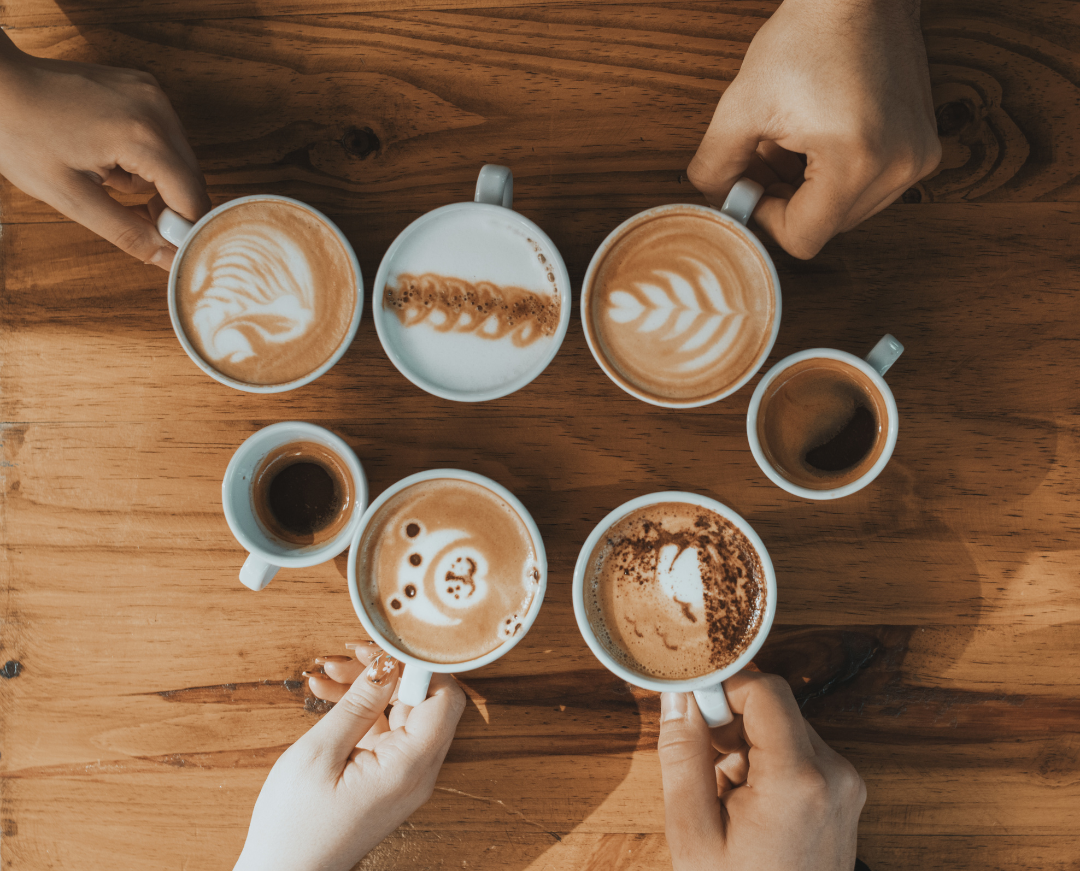
The shop market is big, and still climbing
The US branded coffee shop market is worth $58.5 billion, spread across 45,277 outlets and 588 brands. Sales grew 6.6% year over year. The forecast puts it at $82.4 billion by 2030.²
People hear those numbers and assume the country is full. It isn’t. Drive-thru is leading growth across the industry, and Starbucks recently announced it would close hundreds of company-owned locations.² The biggest name in the business is pulling back while smaller brands keep opening doors.
Here’s the stat I’d circle. Only 5% of daily coffee drinkers bought their cup at a coffee shop.¹ Most coffee in America still gets made at the kitchen counter. That gap is the opportunity for any brand that gives people a reason to leave the house.

Now the hard part: the unit economics
A coffee shop sells one of the highest-margin products in food service. A cup costs you cents in beans and milk and sells for several dollars. Gross margins run 65 to 70%.³
So why do so many close? The coffee is cheap to make. Everything around it is expensive: rent, labor, the build-out, the staff you pay before the line ever forms.
Net margin tells the real story. A well-run shop keeps 7 to 12% of revenue after everything’s paid.⁴ On a million-dollar shop, that’s maybe $70,000 to $120,000 in profit, and one bad lease can erase it.
Opening one isn’t cheap either. A sit-down café typically runs $80,000 to $300,000 to build and equip, and the full range stretches past $400,000 depending on the space and the market.⁴ Then you need months of operating cash on top, because revenue takes time to settle.
And plenty don’t make it. Around 30% of new restaurants close in their first year, and coffee shops sit in that same neighborhood.⁵ The ones that make it almost always nail two things early: the location and the lease.
Where most of the money is won or lost
After years of this, I’ll tell you the margin is decided before you serve a single cup. It’s decided in the real estate.
Pick the wrong corner and great coffee won’t save you. Pick the right one and average coffee can do fine. Daytime population, drive times, who your neighbors are, what you’re signing for 10 years: that’s the math that actually moves net profit. The drinks are the easy part.
This is exactly why I work where I work. I help coffee brands enter the US the right way, from the strongest Colombian name in the country to global players opening their first American locations. The product has to be excellent. But the deal underneath it has to be smart, or the excellent product never gets the chance.
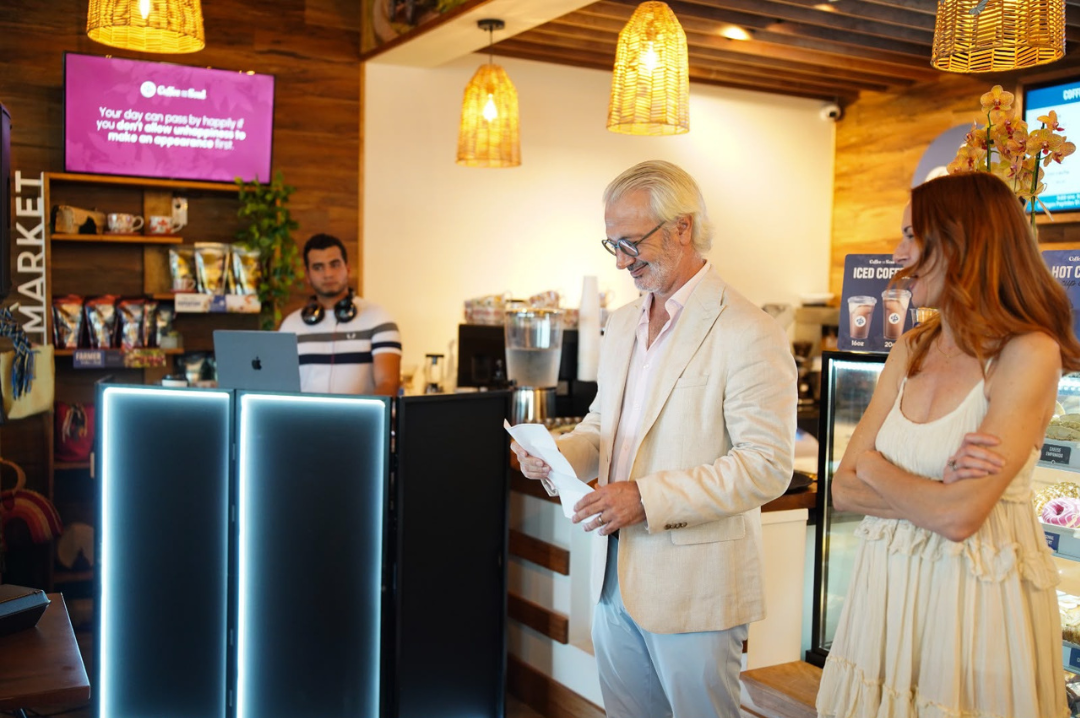
And I’ve closed plenty of these. I put Mecatos, the Colombian bakery and café, into a new flagship in Winter Park, the old Coop space on the corner of Morse and Pennsylvania, then closed a building purchase in Kissimmee and The French Cafe’s 10-year lease in Orlando. I also got to stand with Coffee For the Soul at their newest Winter Garden opening, one more in a run of coffee shop deals I’ve worked across Central Florida.
The product has to be excellent. But the deal underneath it has to be smart, or the excellent product never gets the chance.
The bottom line
Demand has never been higher, and most Americans still aren’t buying their coffee from a shop.¹ That space between the two is the whole opportunity.
There’s room here. For the independent mom-and-pop on a great corner, and for the established brand that brings real value to a community. The trick is respecting the economics. Too many people chase the dream and skip the math.
If you’re thinking about bringing a coffee brand to the US or expanding your current footprint, talk to someone who’s done it before you sign anything. That’s the part I’m here for; reach out today.