
11 More CRE Terms to Know: Investment & Ownership Edition
June, 2026
Most property owners know the basics of buying, selling, and leasing. The commercial real estate investment terms associated with those decisions is where things get more complicated. Property owners and investors regularly encounter financial metrics, market indicators, and industry terminology that help determine a property’s performance and long-term value.
In our previous CRE terminology blogs, we covered common industry acronyms, professional designations, and leasing-related terms. This edition focuses on commercial real estate investment and ownership concepts that property owners, investors, and business leaders are likely to encounter when evaluating opportunities, managing assets, or planning for future growth.
These terms come up in real conversations with brokers, lenders, and advisors. Knowing what they mean changes how you evaluate opportunities and ask the right questions.
Here are 11 commercial real estate investment terms worth knowing in 2026.
NOI (Net Operating Income)

Net Operating Income, or NOI, is one of the most widely used metrics in commercial real estate. It represents the income a property generates after operating expenses are deducted, but before mortgage payments, income taxes, and depreciation.
Investors use NOI to evaluate financial performance and compare potential acquisitions. A strong NOI means the property is covering its costs with room to spare — the baseline any investor wants to see before going further.
Pro Forma
A pro forma is a financial projection that estimates a property’s future income, expenses, and potential returns. Buyers, investors, and developers review pro forma statements when considering acquisitions, redevelopment projects, or other investment opportunities.
While a pro forma can provide valuable insight into future potential, it is based on assumptions and should always be reviewed alongside actual property performance and market conditions.

Rent Roll
A rent roll is a report that provides an overview of a property’s tenants, lease terms, rental rates, and occupancy status. It serves as a snapshot of the property’s income-producing leases and is one of the first documents buyers and lenders often review during a transaction.
For multi-tenant properties, the rent roll tells you where income is stable and where it’s at risk including which leases are expiring and when.
Due Diligence
Due diligence is the investigation period that takes place before completing a real estate transaction. During this process, buyers review financial records, inspect the property, analyze leases, verify ownership information, and identify potential risks.
Vacancy Rate
Vacancy rate measures the percentage of available space within a property that is currently unoccupied. Property owners and investors monitor vacancy rates closely because they directly impact rental income and overall property performance.
Low vacancies generally mean tenants want to be there. High vacancy is worth investigating. It could be pricing, product quality, or a broader market shift.
Absorption Rate
Absorption rate measures how quickly available commercial space is being leased or occupied within a market. This metric is commonly used by investors, developers, and brokers to gauge the balance between supply and demand.
Positive absorption generally indicates growing demand for commercial space, while negative absorption may suggest that vacancies are increasing faster than new tenants are occupying available space.
Value-Add Property
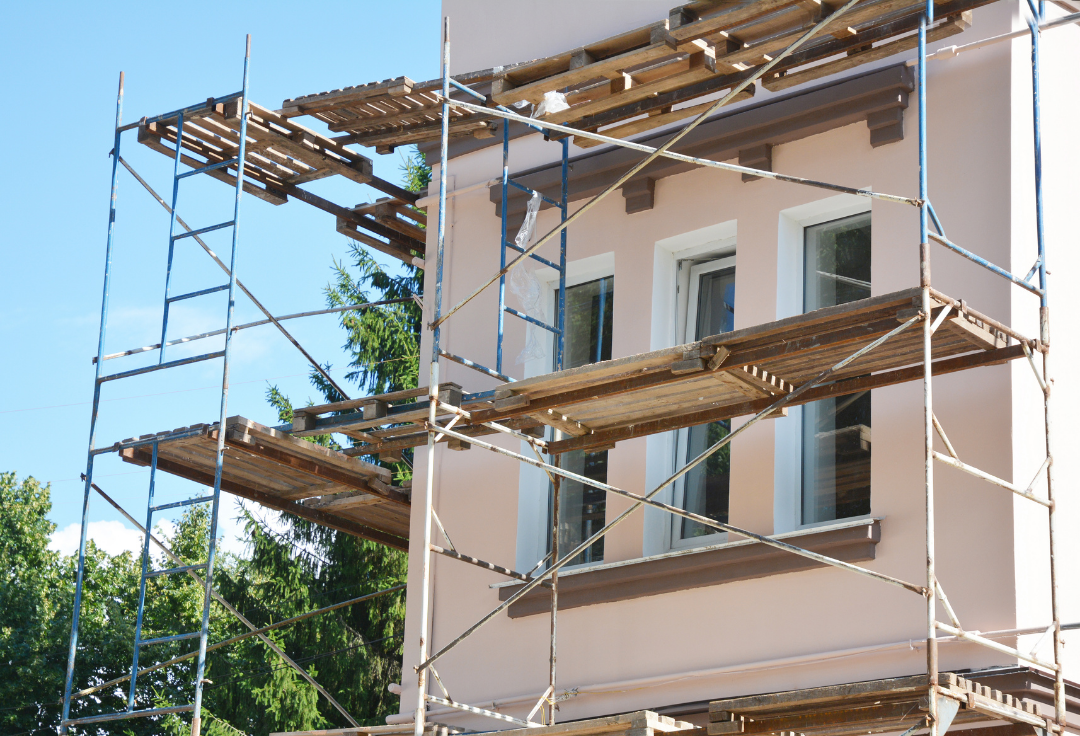
A value-add property is a property with opportunities for improvement that can increase income, occupancy, or overall value. These opportunities may include renovations, operational improvements, updated amenities, or leasing vacant space.
Many investors target value-add properties because strategic improvements can generate stronger returns over time.
Stabilized Asset
A stabilized asset is a property that has reached consistent occupancy and predictable cash flow. Unlike a value-add property that requires significant improvements or leasing activity, a stabilized asset is operating as intended.
For investors who prioritize predictability over upside, a stabilized asset is the cleaner choice.
CapEx (Capital Expenditures)
Capital expenditures, commonly referred to as CapEx, are major investments made to improve, replace, or extend the useful life of a property. Examples include roof replacements, HVAC upgrades, parking lot resurfacing, and significant building renovations.
Unlike routine maintenance, CapEx projects are larger investments that contribute to a property’s long-term value and performance.
Market Rent
Market rent is the rental rate a property could reasonably achieve based on current conditions. It’s influenced by location, property type, available inventory, tenant demand, and comparable lease transactions.
Understanding market rent helps property owners evaluate leasing opportunities, establish competitive pricing, and identify potential revenue growth.

OpEx (Operating Expenses)
Operating expenses, often abbreviated as OpEx, are day-to-day costs associated with owning and operating a commercial property. These include property taxes, insurance, utilities, landscaping, maintenance, and management fees.
Monitoring operating expenses is essential because they directly impact a property’s Net Operating Income (NOI) and overall financial performance.
Why These Terms Matter
Owning commercial real estate means balancing financial performance, market conditions, tenant relationships, and long-term investment strategy at once. Understanding commercial real estate investment terms used by industry professionals helps property owners make better-informed decisions and ask sharper questions when evaluating opportunities.
The more fluent you are in this language, the faster you can spot what does and doesn’t matter in a deal. At First Capital Property Group / CORFAC International, our team works closely with property owners, investors, landlords, and business leaders to help them navigate every stage of the commercial real estate lifecycle.
If you’re looking for guidance on brokerage services, property management, acquisitions, dispositions, or investment opportunities, contact our team today to learn how we can help you achieve your commercial real estate goals.